
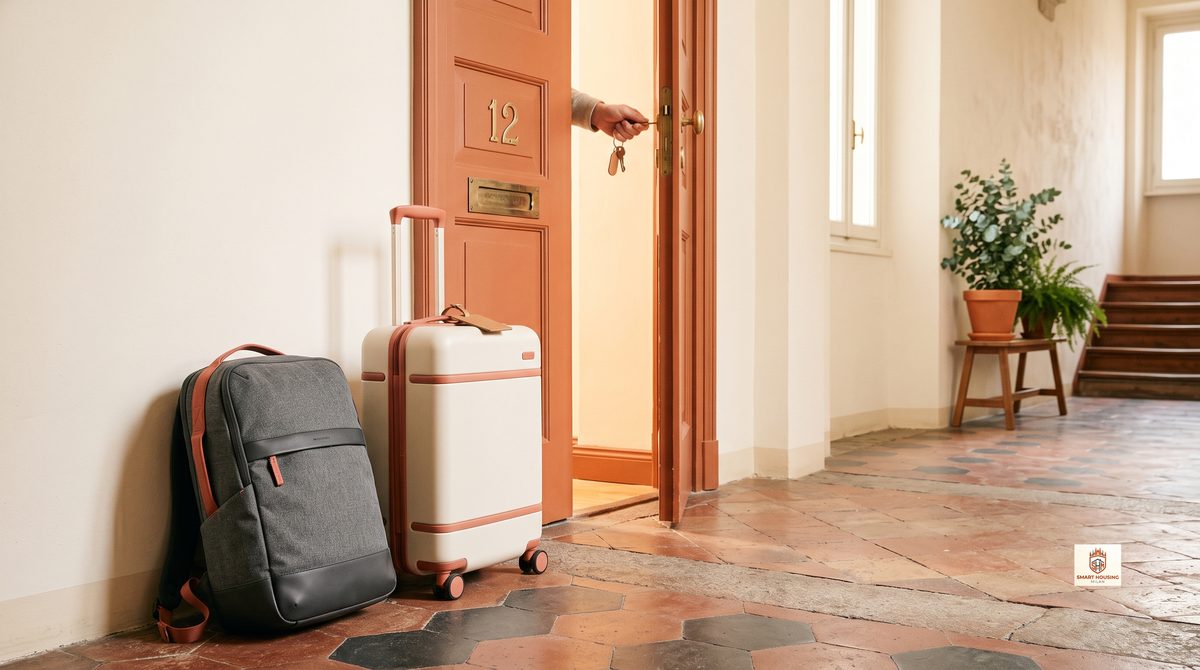
You land in Milan with a suitcase, an address on a piece of paper, and a thousand things to sort before classes start. Feeling a bit overwhelmed is completely normal: this Erasmus in Milan guide exists precisely for that reason, to walk you through day by day during your first week, what we like to call "week zero". No need to panic: if you follow the right order, within seven days you'll have your home sorted, your paperwork done, your SIM active, and your university enrolment complete. Here's how to organise it.
Day 1: arrival, from the airport to your new home
Milan has three airports, and how you get into the city depends a lot on where you land. From Malpensa (MXP), the easiest option is the Malpensa Express train, which takes you straight into the city centre in about 50 minutes. From Linate (LIN), the closest to the city, a short bus ride or taxi is enough. From Bergamo Orio al Serio (BGY), which serves many low-cost flights, a direct shuttle bus to Milano Centrale station is the way to go. Either way, arrive with your apartment's name and exact address written down somewhere, even offline: mobile data isn't guaranteed until you have an active Italian SIM card.
Day 1-2: apartment keys and check-in
One of the most stressful parts of any proper Erasmus in Milan guide is the check-in moment itself: if the apartment is already furnished and ready, as ours are, this step takes only a couple of hours. Once you've settled in, spend the rest of the day getting your bearings around the neighbourhood: where the nearest supermarket is, which tram stop you'll use every day, and where to take out the rubbish (Milan runs recycling collection on specific days). It isn't wasted time, it will save you small headaches later on.
Day 2-3: the Codice Fiscale, the one document you need for everything
If there's one thing to sort out immediately, it's the Codice Fiscale, the Italian tax code. You'll need it to sign your rental contract, open a bank account, activate a SIM plan, enrol at university, and even for some student discount cards. It's issued for free, the same day, in person, at an Agenzia delle Entrate office, by presenting an ID document and, if you're an EU citizen, the AA4/8 form.
*Source: Agenzia delle Entrate
The practical tip is to go early in the morning, right when the office opens, to avoid the longest queues. Once you have your Codice Fiscale, every other formality becomes much simpler.
Day 3-4: activating an Italian SIM card
With your Codice Fiscale in hand, the next step is getting an active Italian phone number: you'll need it to receive confirmation codes from banks, your university, and public transport apps. The main operators to choose from are TIM, Vodafone, WindTre and Iliad, with shops all over the city and plans designed specifically for international students. Bring an ID document and your Codice Fiscale with you: in many cases, activation isn't possible without it.
If you're under 27, it's also worth looking into the ATM public transport pass: the youth-dedicated plan has a modest annual cost and is one of the best-value options for anyone moving around the city daily.
*Source: ATM "ATM per i giovani", January 2026
Day 4-5: university enrolment and registration
With your documents and phone sorted, it's time for the academic side of things. Most universities in Milan require online registration followed by an in-person appointment to collect your student badge, which grants access to the university canteen and libraries. Always bring a copy of your Codice Fiscale and your rental contract, as they're often requested as proof of residence in the city.
Day 5-7: everyday life, groceries and laundry
Once the paperwork is behind you, the last days of your week zero are for settling into your daily routine: your first proper grocery shop at the local supermarket, finding the nearest laundrette if your apartment doesn't have its own, and getting comfortable with the public transport you'll be using every day to get to class. This is the point where Milan really starts to feel like home.
Why starting from a furnished apartment makes everything easier
One of the main reasons many Erasmus students choose an apartment that's already furnished, with bills included in the rent, is that it removes several typical week-zero problems in one go: no utility contracts to activate, no furniture to buy and assemble in a hurry, and no surprises on electricity and gas costs in the first months. You can focus your time and energy on paperwork, university and new friendships, not on boxes and bills. You can browse all available options among our apartments in Milan.
If you're coming from a non-EU country: the residence permit
If you arrive from a non-EU country on a study visa, you have one extra step to fit into your week zero: applying for the permesso di soggiorno (residence permit). It must be submitted within 8 working days of arriving in Italy, using the kit available at authorised post offices (the "Sportello Amico" counter). Don't put it off: appointment times at the Questura for fingerprinting can take a few weeks, and in the meantime the application receipt acts as a temporary document. The practical tip is to handle it between day 2 and day 3, alongside the Codice Fiscale, so you don't pile up deadlines toward the end of week zero.
Bank account and healthcare: what to know
Many Erasmus students decide to open an Italian bank account (or an online account through an app) to manage rent, bills and daily expenses without currency-exchange fees. Doing so almost always requires a Codice Fiscale, an ID document and a Milan address, so it's best to take care of it only after you've sorted your rental contract. On the healthcare side, EU students can use the European Health Insurance Card (EHIC) for urgent care, while those arriving from outside the EU for an extended stay should consider registering with the National Health Service (SSN) or taking out private health insurance, checking the specific requirements of their university and exchange programme.
Useful apps for your week zero in Milan
A handful of apps genuinely make your first days easier: it's worth downloading them as soon as you have your Italian SIM active.
- ATM Milano — timetables, plus buying public transport tickets and passes straight from your phone.
- Citymapper or Google Maps — to find your way between metro, tram and bus, and work out routes in real time.
- IO — the Italian public services app, useful for paperwork and communications from the public administration.
- BikeMi and the scooter apps (Dott, Lime) — handy for short hops when the tram isn't enough.
- Your university's app, plus a couple of food delivery or supermarket apps, useful for those first few days of shopping.
One tip: turn on notifications in the ATM app straight away and save an offline map of your area, so you avoid nasty surprises when the connection is patchy.
Frequently asked questions
How long does it take to sort everything out during week zero?
With a bit of organisation, seven days is enough: the actual paperwork (Codice Fiscale, SIM, enrolment) is concentrated in the first 4-5 days, while the last few are for settling into the rhythm of everyday life. Starting from a furnished apartment with bills included saves you several days.
Which comes first, the Codice Fiscale or the SIM?
The Codice Fiscale first: many mobile operators require it to activate a plan, and you'll need it anyway for your rental contract, to open a bank account and to enrol at university. You can get it the same day at the Agenzia delle Entrate.
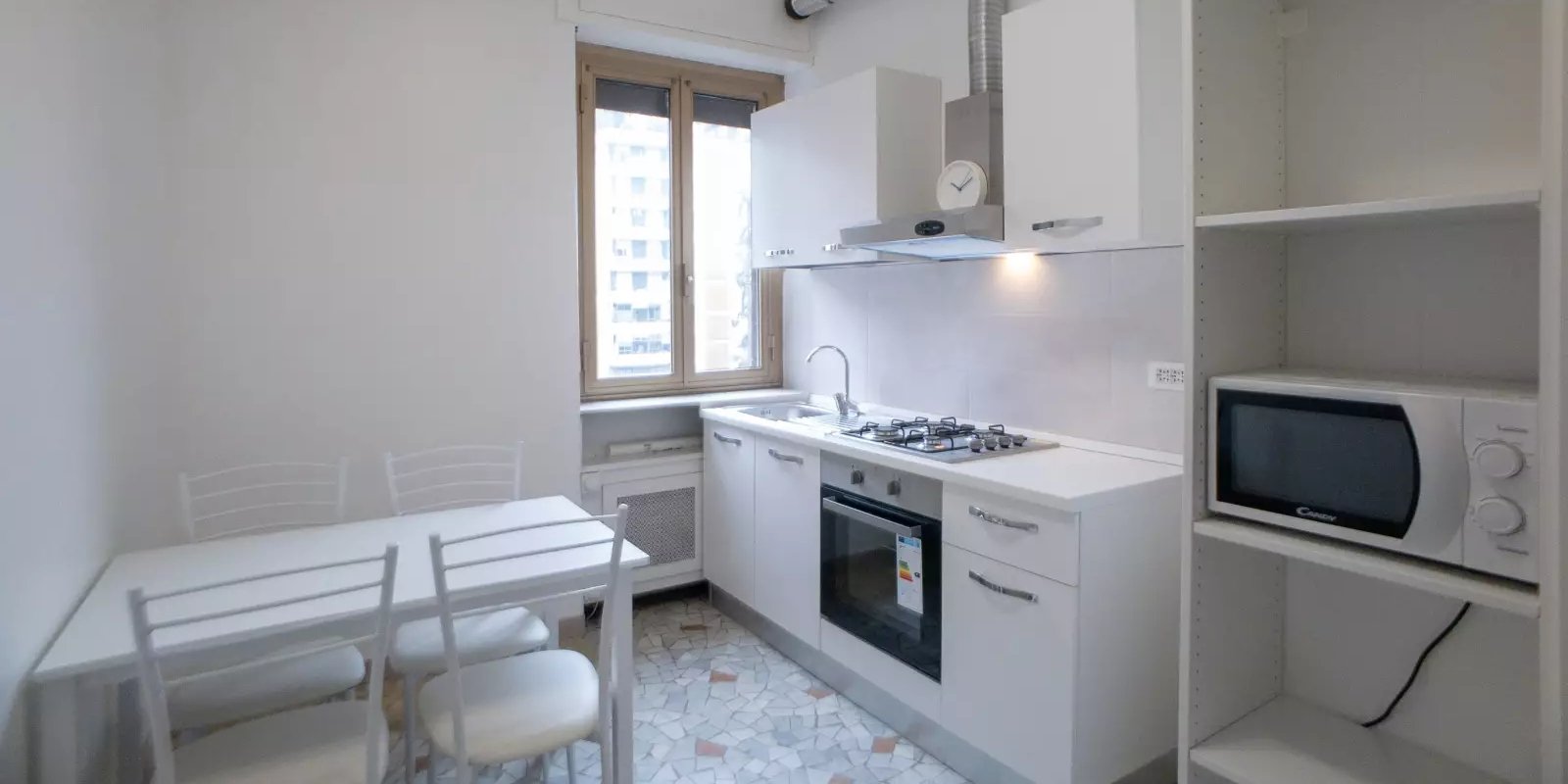
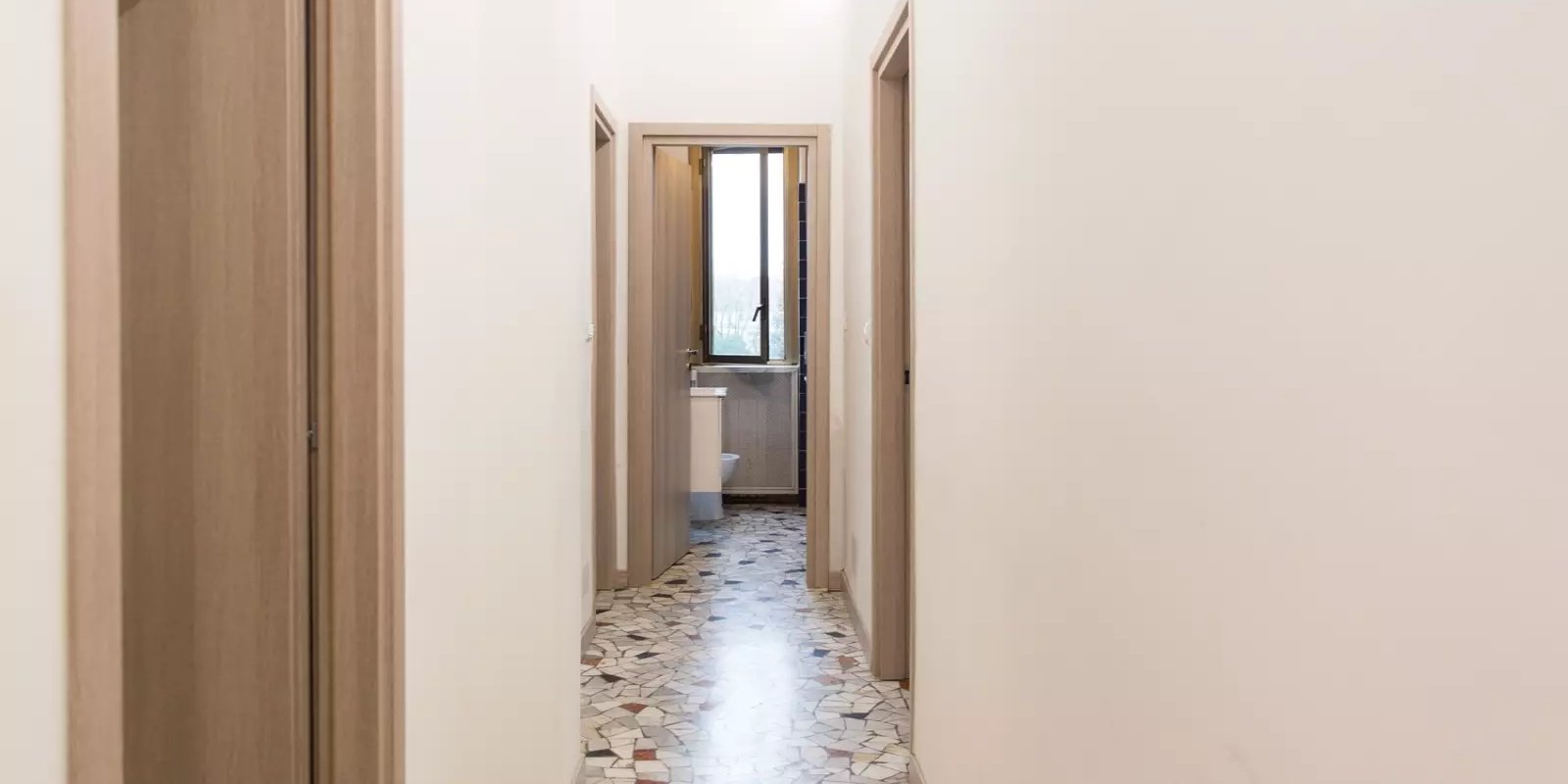
Our flats in Milan
See all flats →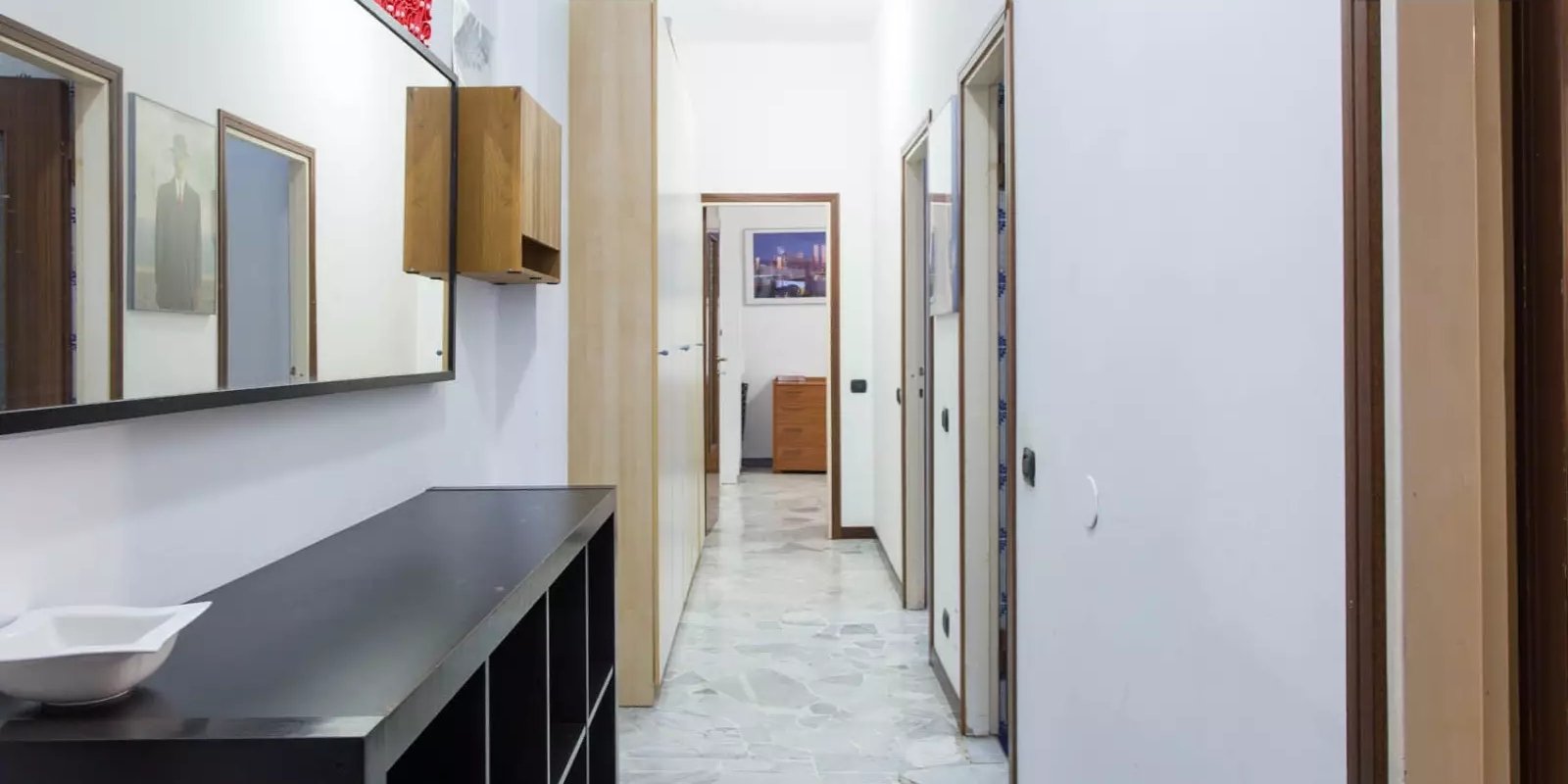
About us
Smart Housing Milan has been renting curated apartments in Milan since 2016, designed for students, Erasmus and professionals. All bills are included in the rent, contracts are clear, and there are no middlemen — you deal directly with the owner.
Looking for a home in Milan with no worries? Write to us — we reply within 24 hours.
Get in touchWe take the greatest care to provide useful, verified information, but errors, omissions or inaccuracies are always possible. If you spot any, we apologise: please let us know at smarthousingmilan@gmail.com and we'll put it right.